Electric Water Heater Maintenance Tips: A Complete Homeowner Guide
An electric water heater is one of the most important appliances in a home. It provides hot water for showers, dishwashing, laundry, and daily cleaning tasks. Most homeowners do not think about their water heater until something goes wrong, but regular maintenance can prevent expensive repairs and extend the lifespan of the unit.
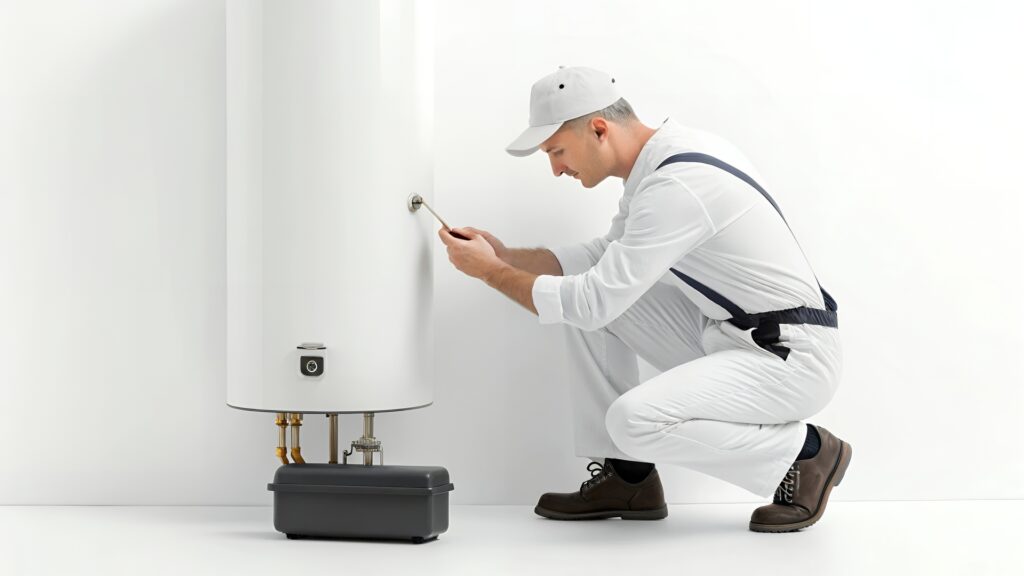
Electric water heaters are reliable, but like any appliance, they need occasional care. With proper maintenance, a typical electric water heater can last 10 to 15 years or even longer. In this guide, we’ll cover essential maintenance tips that homeowners can follow to keep their electric water heater running efficiently.
How an Electric Water Heater Works
Before discussing maintenance, it helps to understand how an electric water heater operates.
An electric water heater consists of several key components:
- Tank – Stores hot water
- Heating elements – Electric coils that heat the water
- Thermostat – Controls water temperature
- Anode rod – Prevents tank corrosion
- Drain valve – Allows sediment removal
Cold water enters the tank through an inlet pipe. The heating elements warm the water, and the thermostat maintains the desired temperature. When you turn on a hot water faucet, heated water flows from the tank into your plumbing system.
Regular maintenance ensures each of these parts continues working properly.
1. Check the Water Heater Temperature
One of the simplest maintenance steps is adjusting the thermostat.
Many electric water heaters are set too high by default. High temperatures waste energy and increase the risk of burns.
Recommended Temperature
The U.S. Department of Energy recommends 120°F (49°C) for most homes.
How to Adjust the Temperature
- Turn off power to the water heater at the circuit breaker.
- Remove the thermostat access panel.
- Use a screwdriver to adjust the thermostat dial.
- Replace the panel and restore power.
Lowering the temperature slightly can improve safety and reduce electricity costs.
2. Flush the Tank to Remove Sediment
Over time, minerals and debris settle at the bottom of the water heater tank. This sediment buildup reduces heating efficiency and can damage heating elements.
Flushing the tank removes sediment and improves performance.
How Often to Flush
Most experts recommend flushing the tank once a year.
Step-by-Step Instructions
- Turn off the water heater power.
- Shut off the cold water supply valve.
- Connect a garden hose to the drain valve.
- Place the hose in a floor drain or outside area.
- Open the drain valve and allow water to flow out.
- Turn the cold water supply on briefly to flush remaining sediment.
- Close the drain valve and remove the hose.
- Restore power after the tank refills.
Regular flushing helps maintain heating efficiency.
3. Inspect the Anode Rod
The anode rod is a critical part of your water heater. It attracts corrosive elements in the water and prevents the tank from rusting.
Without a working anode rod, the tank may corrode and leak.
How Often to Check
Inspect the anode rod every 2 to 3 years.
Signs the Anode Rod Needs Replacement
- Heavy corrosion
- A strong rotten egg smell in hot water
- Rod diameter reduced significantly
Replacing a worn anode rod can add several years to the life of your water heater.
4. Test the Temperature and Pressure Relief Valve
The temperature and pressure relief valve (T&P valve) is a safety device that prevents the tank from building excessive pressure.
If pressure becomes too high, the valve releases water to prevent a dangerous situation.
How to Test the Valve
- Place a bucket under the discharge pipe.
- Lift the valve lever slightly.
- Water should flow out briefly.
- Release the lever to close the valve.
If no water comes out or the valve leaks afterward, it may need replacement.
Testing this valve once a year improves safety.
5. Inspect Heating Elements
Electric water heaters use heating elements to warm the water. Over time, these elements can wear out or become coated with mineral deposits.
Signs of failing heating elements include:
- Lukewarm water
- Not enough hot water
- Water taking too long to heat
If these issues occur, the heating elements may need replacement.
Many homeowners can replace heating elements with basic tools, but professional assistance may be helpful for those unfamiliar with electrical repairs.
6. Check for Water Leaks
Regularly inspecting your water heater for leaks can prevent serious damage.
Look for these signs:
- Water pooling around the base of the heater
- Moisture around pipe connections
- Rust or corrosion near fittings
Small leaks may come from loose fittings, which can often be tightened. However, leaks from the tank itself usually indicate internal corrosion and may require replacing the water heater.
7. Insulate the Water Heater Tank
Insulating your water heater tank helps reduce heat loss and improve energy efficiency.
A water heater insulation blanket can reduce heat loss by 25–45%, which may lower energy costs.
How to Insulate the Tank
- Purchase a water heater insulation blanket.
- Wrap the blanket around the tank.
- Secure it with tape or straps.
Avoid covering important components such as:
- Thermostat panels
- Drain valve
- T&P valve
Proper insulation helps maintain hot water temperature for longer periods.
8. Insulate Hot Water Pipes
Insulating hot water pipes is another simple way to improve efficiency.
Pipe insulation helps hot water reach faucets faster and reduces heat loss during transport.
Foam pipe insulation sleeves are inexpensive and easy to install.
Benefits include:
- Faster hot water delivery
- Reduced energy consumption
- Lower utility bills
9. Schedule Professional Maintenance
While many maintenance tasks can be done at home, professional inspection is also beneficial.
A plumber can:
- Check electrical connections
- Test heating elements
- Inspect internal components
- Identify potential problems early
Professional maintenance once every few years can help extend the life of your water heater.
Signs Your Water Heater Needs Replacement
Even with proper maintenance, water heaters eventually wear out.
Signs that your unit may need replacement include:
- Water heater older than 10–15 years
- Rusty hot water
- Frequent repairs
- Loud rumbling noises
- Water leaking from the tank
Upgrading to a new, energy-efficient water heater can reduce utility costs and provide more reliable hot water.
Tips to Extend the Life of Your Water Heater
To keep your electric water heater running efficiently for many years:
- Flush the tank annually
- Check the anode rod regularly
- Test the pressure relief valve
- Inspect for leaks
- Maintain proper temperature settings
These simple steps can significantly increase the lifespan of your unit.
Final Thoughts
An electric water heater is an essential appliance that provides comfort and convenience for everyday household tasks. With proper maintenance, homeowners can prevent many common problems and extend the life of their water heater.
Regular tasks such as flushing the tank, inspecting the anode rod, checking the thermostat, and testing safety valves can improve efficiency and prevent costly repairs.
Taking the time to maintain your electric water heater ensures a reliable supply of hot water while also reducing energy costs. If you notice unusual noises, leaks, or heating problems, contacting a professional plumber can help diagnose the issue before it becomes a major repair.
Proper care today can save significant time and money in the future.