How to Unclog a Toilet Without a Plunger (Step-by-Step Guide)
A clogged toilet is one of the most common plumbing problems homeowners face. While a plunger is usually the go-to tool for clearing toilet clogs, you might not always have one available when you need it most. Fortunately, there are several simple and effective ways to unclog a toilet without using a plunger.
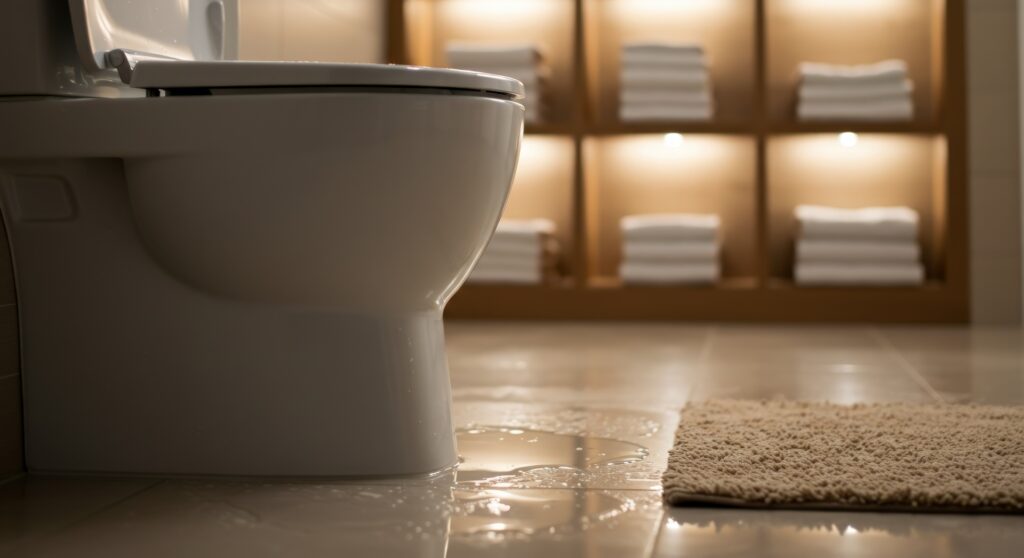
Many of these methods use common household items that you likely already have at home. In this guide, we’ll walk you through safe and practical step-by-step solutions to unclog a toilet without a plunger.
Why Toilets Get Clogged
Before learning how to fix the problem, it’s helpful to understand what causes toilet clogs.
Common causes include:
- Excess toilet paper
- Flushing paper towels or tissues
- Flushing wipes (even “flushable” ones)
- Hygiene products
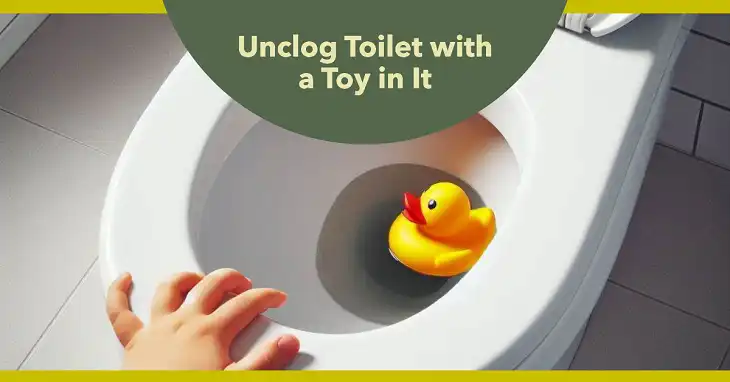
- Small toys or objects
- Low water flow in the toilet
Most toilet clogs happen when waste and paper get stuck in the curved part of the drain pipe, also known as the toilet trap.
First Step: Stop the Water From Overflowing
Before attempting any unclogging method, make sure the toilet does not overflow.
If the water level in the bowl is rising:
- Remove the tank lid.
- Push the flapper valve down to stop water from flowing into the bowl.
- Turn off the water supply valve behind the toilet if necessary.
This quick step can prevent water damage in your bathroom.
Method 1: Hot Water and Dish Soap
One of the easiest ways to unclog a toilet without a plunger is using hot water and dish soap.
Dish soap helps break down grease and waste, while hot water softens the clog.
What You Need
- Dish soap
- Hot water (not boiling)
Step-by-Step Instructions
- Pour about half a cup of dish soap into the toilet bowl.
- Let the soap sit for 5–10 minutes.
- Heat a pot of water until it is hot but not boiling.
- Carefully pour the hot water into the toilet bowl from waist height.
- Wait another 10–15 minutes.
The soap and hot water combination can help loosen the blockage and allow the toilet to drain naturally.
Method 2: Baking Soda and Vinegar
Baking soda and vinegar create a natural chemical reaction that can help break up clogs.
What You Need
- 1 cup baking soda
- 2 cups vinegar
- Hot water
Step-by-Step Instructions
- Pour 1 cup of baking soda into the toilet bowl.
- Slowly add 2 cups of vinegar.
- The mixture will begin to fizz.
- Let it sit for about 20–30 minutes.
- Pour hot water into the bowl.
This method works best for organic clogs such as waste and toilet paper.
Method 3: Use a Toilet Brush
If you have a toilet brush but no plunger, you can sometimes use the brush to dislodge the clog.
How to Do It
- Insert the toilet brush into the drain opening.
- Push the brush downward firmly.
- Move the brush in a pumping motion similar to a plunger.
This pressure can help push the clog further down the drain.
Be sure to clean the brush thoroughly afterward.
Method 4: Plastic Bottle Trick
This method creates pressure similar to a plunger.
What You Need
- A large plastic bottle (such as a soda bottle)
- Rubber gloves
Steps
- Put on rubber gloves.
- Fill the plastic bottle with warm water.
- Insert the bottle opening into the toilet drain.
- Squeeze the bottle quickly to force water down the drain.
The sudden pressure can push the clog through the pipe.
Method 5: Use a Wire Hanger
A wire hanger can act as a basic drain snake.
What You Need
- A metal wire hanger
- Gloves
- Tape or cloth
Instructions
- Straighten the wire hanger.
- Wrap one end with tape or cloth to prevent scratching the toilet.
- Carefully insert the hanger into the drain.
- Move it around gently to break up the clog.
Avoid pushing too hard to prevent damaging the toilet.
Method 6: Wet/Dry Vacuum
If you have a wet/dry shop vacuum, it can remove stubborn clogs.
Important Note
Do not use a regular household vacuum.
Steps
- Set the vacuum to liquid mode.
- Place the hose into the toilet drain.
- Seal the area around the hose with a towel.
- Turn on the vacuum.
The vacuum will pull the clog out of the pipe.
Method 7: Use a Plumbing Snake
A plumbing snake (also called a drain auger) is a very effective tool for removing tough clogs.
How to Use It
- Insert the snake into the toilet drain.
- Rotate the handle slowly.
- Push the snake deeper into the pipe.
- Once the clog is reached, twist the snake to break it apart.
This method is commonly used by professional plumbers.
Common Mistakes to Avoid
When dealing with a clogged toilet, avoid these mistakes:
Do Not Flush Repeatedly
Repeated flushing can cause the toilet to overflow.
Avoid Chemical Drain Cleaners
Many chemical cleaners can damage toilet pipes and seals.
Avoid Using Boiling Water
Boiling water can crack porcelain toilets.
Always use hot water, not boiling water.
When to Call a Professional Plumber
Some clogs are too severe to fix with DIY methods.
You should call a plumber if:
- The toilet repeatedly clogs
- Water drains very slowly
- Multiple drains in the home are blocked
- You suspect a sewer line issue
Professional plumbers have specialized tools to safely remove deep clogs.
Tips to Prevent Toilet Clogs
Preventing clogs is easier than fixing them.
Follow these simple tips:
Use Less Toilet Paper
Excess paper is one of the most common causes of clogs.
Avoid Flushing Non-Flushable Items
Never flush:
- Baby wipes
- Paper towels
- Cotton pads
- Feminine hygiene products
Keep a Trash Bin in the Bathroom
Providing a trash bin helps prevent improper flushing.
Regular Plumbing Maintenance
Occasional drain cleaning can help keep pipes clear.
Final Thoughts
A clogged toilet can be stressful, especially when you don’t have a plunger available. Thankfully, several simple household solutions can help clear the blockage quickly and safely.
Methods such as hot water and dish soap, baking soda and vinegar, and using a wire hanger can often solve the problem in minutes. For tougher clogs, tools like a plumbing snake or wet/dry vacuum may be necessary.
By following these step-by-step techniques and practicing good toilet habits, you can reduce the chances of future clogs and keep your bathroom plumbing running smoothly.