5 Common Causes of Slow Draining Sinks and How to Fix Them
A slow draining sink is a common plumbing problem in many homes. Whether it’s your kitchen sink or bathroom sink, slow drainage can be frustrating and inconvenient. If left untreated, a minor clog can eventually turn into a serious plumbing issue that requires professional repair.
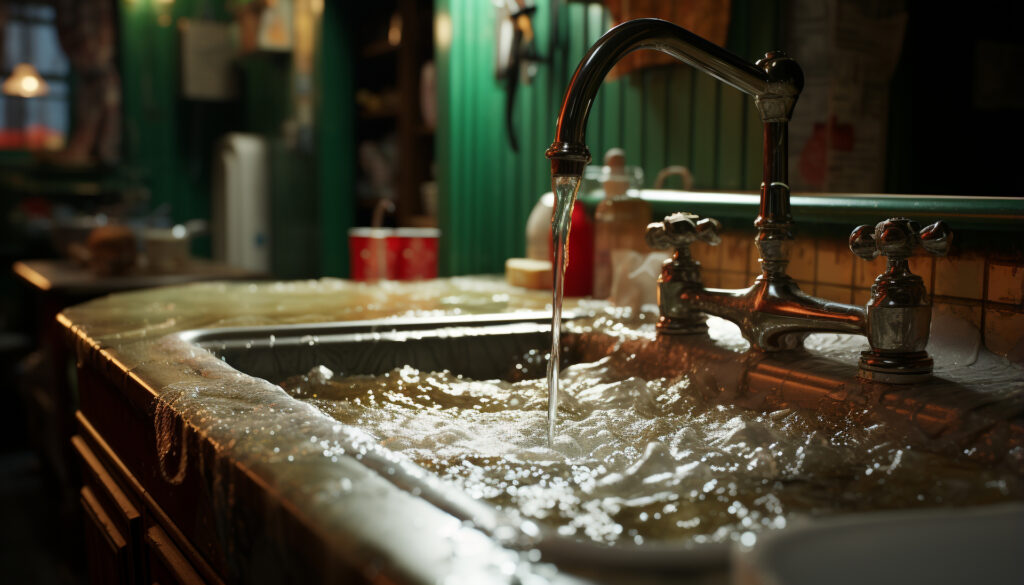
Fortunately, many sink drainage problems can be fixed with simple tools and a little basic knowledge. In this guide, we’ll explore the five most common causes of slow draining sinks and show you practical step-by-step solutions to fix them.
Why a Sink Drains Slowly
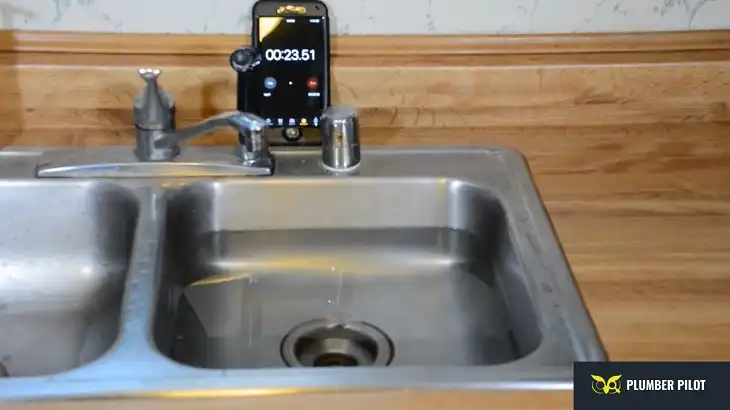
A sink drains slowly when something blocks or restricts the flow of water through the pipes. Over time, debris builds up inside the drain and creates a partial blockage. This reduces the speed at which water flows through the plumbing system.
Common signs of a slow draining sink include:
- Water pooling in the sink
- Gurgling sounds from the drain
- Unpleasant odors
- Water taking longer to empty
Understanding the cause of the problem will help you fix it more effectively.
1. Hair Buildup in Bathroom Drains
Hair is one of the most common reasons bathroom sinks drain slowly. When hair goes down the drain, it often mixes with soap residue and forms a sticky clog inside the pipe.
Over time, this buildup traps more debris and slows down water flow.
How to Fix Hair Clogs
Step 1: Remove the drain stopper
Most bathroom sinks have a removable stopper that catches hair and debris.
- Pull the stopper out of the drain.
- Clean any hair wrapped around it.
Step 2: Use a drain cleaning tool
A simple plastic drain tool or drain snake can remove hair clogs.
- Insert the tool into the drain.
- Pull it out slowly.
- Remove any hair attached to it.
Step 3: Flush with hot water
Run hot water for several minutes to wash away remaining debris.
2. Soap Scum Buildup
Soap can leave behind a sticky residue known as soap scum. This residue builds up along the walls of your pipes and gradually narrows the passage where water flows.
Soap scum is especially common in bathroom sinks and shower drains.
How to Fix Soap Buildup
A natural cleaning solution can dissolve soap residue.
What you need:
- Baking soda
- Vinegar
- Hot water
Steps:
- Pour 1 cup of baking soda into the drain.
- Add 1 cup of vinegar slowly.
- Let the mixture fizz for about 15 minutes.
- Pour hot water down the drain.
The reaction helps break down soap deposits and improve water flow.
3. Food Waste in Kitchen Sinks
Kitchen sinks often become slow because of food particles that get trapped in the drain. Even if you have a garbage disposal, certain foods can cause blockages.
Common culprits include:
- Coffee grounds
- Grease and oil
- Pasta and rice
- Eggshells
- Vegetable peels
Grease is particularly problematic because it hardens inside pipes.
How to Fix Food Waste Clogs
Step 1: Flush with hot water and dish soap
- Squirt dish soap into the drain.
- Run hot water for several minutes.
Dish soap helps break down grease buildup.
Step 2: Check the garbage disposal
If your sink has a disposal unit:
- Turn off the power.
- Inspect the chamber for food debris.
- Run the disposal with cold water to clear the drain.
4. Blocked P-Trap
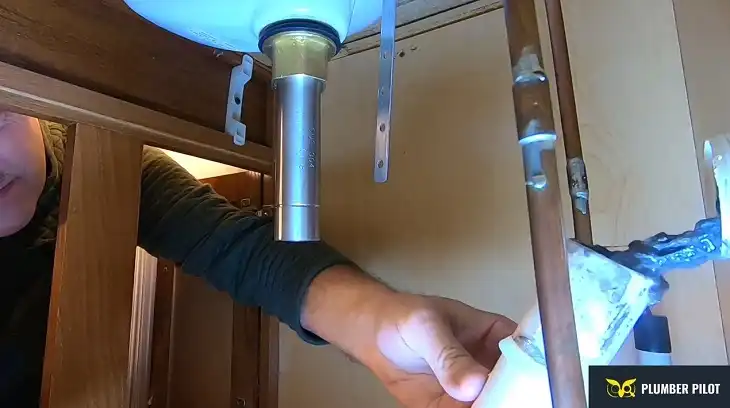
The P-trap is the curved pipe under your sink. It traps debris and prevents sewer gases from entering your home.
Because of its shape, the P-trap is also a common location for clogs.
How to Clean the P-Trap
You may need basic tools for this process.
What you need:
- Bucket
- Adjustable wrench
- Gloves
Steps:
- Place the bucket under the P-trap.
- Loosen the slip nuts on both sides of the pipe.
- Remove the curved pipe.
- Clean out any debris inside.
- Reattach the pipe securely.
Run water afterward to check for leaks.
Cleaning the P-trap can significantly improve drainage.
5. Mineral Buildup in Pipes
Hard water contains minerals such as calcium and magnesium. Over time, these minerals can accumulate inside pipes and reduce water flow.
This buildup is especially common in areas with hard water.
How to Fix Mineral Deposits
Vinegar can help dissolve mineral buildup.
Steps:
- Pour 2 cups of vinegar down the drain.
- Let it sit for about one hour.
- Flush the drain with hot water.
For severe mineral buildup, professional pipe cleaning may be necessary.
Tools That Help Fix Slow Drains
Several simple plumbing tools can make drain maintenance easier.
Drain Snake
A drain snake can reach deep into pipes and remove stubborn clogs.
Plunger
A sink plunger can help dislodge blockages with pressure.
Drain Cleaning Brush
A small brush can remove buildup near the top of the drain.
Wet/Dry Vacuum
This tool can sometimes suck debris out of the drain.
Having these tools at home can save time and money on plumbing repairs.
When to Call a Professional Plumber
While many slow drains can be fixed with DIY methods, some problems require professional attention.
Call a plumber if:
- Multiple drains in your home are slow
- Water backs up into other fixtures
- The clog keeps returning
- You suspect a sewer line issue
Professional plumbers use specialized equipment such as motorized drain augers and hydro jetting tools to remove deep blockages.
Tips to Prevent Slow Drains
Preventative maintenance can keep your sinks draining smoothly.
Use Drain Screens
Drain screens catch hair and food particles before they enter the pipes.
Avoid Pouring Grease Down the Sink
Instead, pour grease into a container and dispose of it in the trash.
Flush Drains Regularly
Running hot water down the drain once a week can help prevent buildup.
Clean Drains Monthly
A mixture of baking soda and vinegar can help keep pipes clean.
Final Thoughts
A slow draining sink is usually caused by buildup inside the pipes. Hair, soap scum, food debris, and mineral deposits are among the most common culprits.
Fortunately, many of these problems can be solved with simple household solutions and basic plumbing tools. Regular cleaning and proper drain care can also help prevent future clogs.
If the problem persists or affects multiple drains, it may indicate a deeper plumbing issue that requires professional repair.
By addressing slow drainage early, you can keep your home’s plumbing system running smoothly and avoid costly repairs.